
 EN
EN
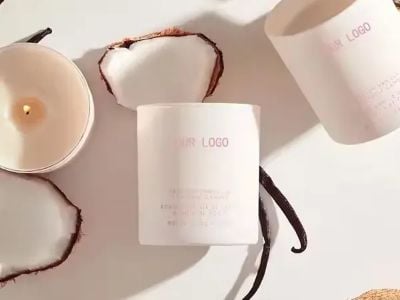
When considering the array of private label options available from professional candles and diffusers wholesale manufacturers, businesses often seek products that align with their brand identity while meeting consumer demands. The primary keyword, "Private Label Options You Can Get From Professional Candle Wholesale Manufacturers," encapsulates the essence of this discussion. Buyers typically prioritize product quality, customization capabilities, compliance with industry standards, and overall cost-effectiveness. This article will guide you through various private label options, specifications to consider for bulk orders, installation guidance, common issues, and the benefits of eco-friendly materials in candle manufacturing.
Exploring Private Label Candle Options for Wholesale Buyers
Private label candles are a versatile product that can cater to different markets, including retail, hospitality, and personal care sectors. When exploring options, buyers should consider various styles, sizes, and scents to match their target audience.
Manufacturers like Wellness Group Limited offer a diverse range of candle products, from classic scented candles to innovative designs such as aromatherapy candles infused with essential oils. Offering customization in fragrance, color, and packaging helps businesses create a unique candle line that reflects their brand identity. Additionally, manufacturers can assist in developing exclusive scents, which can enhance a brand's market appeal.
Buyers should also evaluate the minimum order quantity (MOQ) and the production capacity of the manufacturer. Understanding these factors ensures that the buyer can meet market demand without overcommitting resources.
Key Specifications to Consider for Bulk Candle Orders
When placing bulk candle orders, several key specifications must be considered to ensure product suitability and quality. These include:
Wax Type: The choice between paraffin, soy, or beeswax can significantly impact the candle's burn time, scent throw, and eco-friendliness. Soy wax, for example, is a popular choice for environmentally conscious brands due to its renewable nature and clean-burning properties.
Wick Material: The wick type affects how well the candle burns and how evenly it distributes fragrance. Cotton wicks are common, while wooden wicks can provide a unique aesthetic and crackling sound when lit.
Fragrance Load: This refers to the percentage of fragrance oil used in the wax. A higher fragrance load typically enhances scent throw but must be balanced to prevent issues such as soot production.
Dimensions: The size and shape of the candle influence both its burning characteristics and packaging requirements. For example, taller candles may require a different wick size than shorter ones.
Packaging: Custom packaging is essential for branding and protection during transit. Buyers should discuss packaging options with manufacturers to ensure that they align with their marketing strategy and product positioning.
Certifications: Ensuring that the manufacturer adheres to relevant certifications, such as GMP or ISO, can help guarantee product quality and safety.
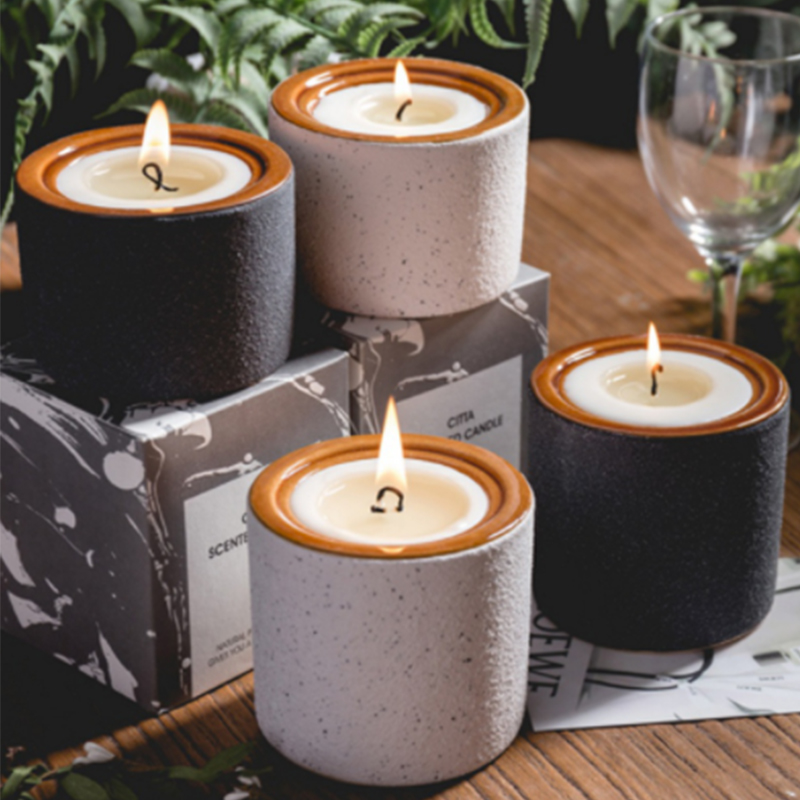
Installation Guidance for Private Label Candle Products
While candles are relatively straightforward to use, proper installation and handling are key to ensuring customer satisfaction. When sourcing private label candles, buyers should provide clear usage instructions that cover:
Lighting Instructions: Detail how long to burn the candle during the first use to ensure an even melt pool and prevent tunneling.
Safety Tips: Include guidelines on safe candle use, such as keeping the candle away from flammable materials, never leaving burning candles unattended, and trimming the wick to prevent excessive smoke.
Storage Recommendations: Suggest storing candles in a cool, dry place away from direct sunlight to preserve fragrance and color.
Manufacturers can assist by providing labeled instructional materials that align with the branding of the private label candles, ensuring consistency across the product line.
Common Issues with Wholesale Candles and Their Solutions
Wholesale buyers should be aware of common challenges associated with candle production and distribution, along with effective solutions:
Soot Production: This can occur due to improper wick sizing, high fragrance loads, or poor-quality wax. Ensuring that the manufacturer conducts thorough testing during production can help mitigate this issue.
Tunneling: This happens when a candle burns down the center, leaving wax on the sides. Buyers should recommend that consumers burn the candle for longer periods to achieve an even melt pool.
Fragrance Fading: Over time, candles can lose scent intensity. Buyers should work with manufacturers to ensure that fragrance oils are properly blended and that candles are packaged to minimize exposure to light and air.
Appearance Defects: Issues such as frosting or discoloration may arise. Manufacturers should implement rigorous quality control processes to catch these defects before products reach the customer.
By addressing these common issues proactively, buyers can enhance customer satisfaction and reduce the likelihood of returns.
The Advantages of Using Eco-Friendly Materials in Candle Manufacturing
In today's market, eco-conscious consumers are increasingly seeking products that align with their values. Using eco-friendly materials in candle manufacturing offers several advantages:
Market Appeal: Candles made from sustainable materials, like soy wax or natural essential oils, can attract a broader customer base interested in environmentally responsible products.
Brand Image: Brands that prioritize sustainability can enhance their reputation and differentiate themselves from competitors. This can be particularly advantageous in crowded markets.
Regulatory Compliance: As environmental regulations become more stringent, using eco-friendly materials may help brands stay compliant and avoid potential legal issues.
Quality Perception: Eco-friendly materials often lead to cleaner-burning candle with scent with better scent throw, improving overall product quality and consumer satisfaction.
When working with manufacturers, buyers should inquire about the sourcing and sustainability practices for the materials used in their private label candles. This not only supports responsible manufacturing but also aligns with consumer expectations in the current market landscape.
By understanding the various private label options available and considering these key aspects, buyers can make informed decisions that align with their business goals and consumer demands.