
 EN
EN
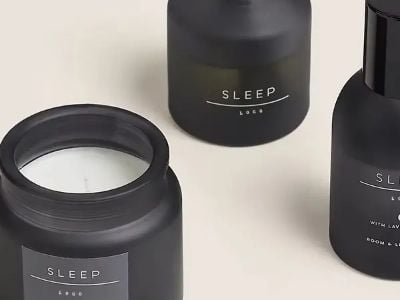
As the holiday season approaches, many businesses look to capitalize on the growing market for scented candles with unique designs. Understanding the popular trends of scented candles with design for holiday season merchandising is crucial for purchasing managers, distributors, and product managers. Buyers are often concerned with product quality, design aesthetics, supply chain reliability, and cost-effectiveness. This article will provide insights into what to consider when selecting holiday-themed scented candle, focusing on specifications, materials, cost factors, installation guidance for displays, and common issues with holiday candles.
Top Quality Specifications for Holiday Scented Candle Production
When producing scented candles for the holiday season, quality specifications play a vital role in ensuring customer satisfaction and compliance with industry standards. Key specifications to consider include:
Wax Type: Common waxes include paraffin, soy, and beeswax. Each type has different burning characteristics and scent throw. For instance, soy candles burn cleaner and slower, making them a popular choice for eco-conscious consumers.
Fragrance Load: The amount of fragrance oil used can affect the scent's intensity and longevity. A typical load is around 6-10%, but this can vary based on the wax type and desired scent strength.
Wick Size and Type: The wick must be compatible with the candle’s size and wax type to ensure proper burning. Cotton and wooden wicks are popular choices, with wooden wicks providing a unique crackling sound when burned.
Burn Time: This specification indicates how long the scented candles will last under normal conditions. Buyers should verify burn time against industry standards to ensure they meet customer expectations.
Safety Certifications: Ensure that candles are tested for safety, especially for indoor use. Look for certifications such as BSCI, GMP, and ISO, which can indicate a commitment to quality manufacturing practices.
By focusing on these specifications, buyers can ensure that they procure high-quality holiday candles that will meet market demand and customer expectations.
Evaluating Material Advantages in Holiday Scented Candle Designs
The choice of materials used in scented candles can significantly impact both the product's performance and its appeal to consumers. Here are some material considerations:
Wax Selection: As mentioned, the choice of wax affects the candle's burn characteristics. For instance, soy wax is biodegradable and burns longer, making it favorable for eco-friendly branding. Paraffin is often less expensive but may not have the same appeal among health-conscious consumers.
Fragrance Oils: High-quality fragrance oils are crucial for ensuring a pleasant scent experience. Buyers should inquire about the source of these oils, as natural fragrance oils are often seen as a premium option.
Dyes and Colorants: The visual appeal of holiday candles can be enhanced through the use of dyes. However, it's essential to choose colorants that are safe for burning and do not affect the candle's performance.
Containers: The choice of container also matters. Glass containers provide an elegant look and allow consumers to see the candle's design, while tin or ceramic options can offer a rustic or artisanal feel. Consideration should also be given to heat resistance and ease of recycling.
Sustainable Materials: As consumers become more environmentally conscious, using sustainable materials for packaging and production can be a significant selling point. Look for suppliers who prioritize sustainability in their manufacturing processes.
By carefully evaluating these material options, buyers can create a product line that resonates with holiday shoppers and stands out in a crowded market.
Cost Factors to Assess in Bulk Orders of Holiday Candles
When placing bulk orders for holiday scented candles, it’s essential to consider several cost factors to ensure a successful procurement process:
Unit Price vs. Total Cost: While lower unit prices may seem attractive, buyers should consider the total cost, which includes shipping, taxes, and potential customs duties, especially for international orders.
Minimum Order Quantities (MOQ): Many manufacturers have MOQs that can influence purchase decisions. Understanding these requirements is essential for budgeting and inventory planning.
Customization Costs: Custom designs, patterns, or fragrances may incur additional costs. Buyers should request detailed quotations that outline any customization fees to avoid surprises later in the process.
Lead Times: Production lead time can affect inventory availability during peak holiday seasons. Buyers should confirm lead times with manufacturers to align with their retail schedules and avoid stockouts.
Payment Terms: Negotiating favorable payment terms can help manage cash flow. Buyers should clarify payment schedules and any potential discounts for early payments.
By assessing these cost factors, purchasing managers can make informed decisions that maximize profitability while meeting market demands.
Installation Guidance for Holiday Candle Displays in Retail Settings
Effective merchandising of holiday candles can enhance visibility and sales. Here are practical tips for installing candle displays in retail settings:
Display Design: Utilize visually appealing display designs that align with holiday themes. Incorporating seasonal decorations can attract customer attention and create a festive atmosphere.
Location: Place displays in high-traffic areas, such as near the entrance or checkout counters, to maximize visibility. Consider the height of the display to ensure that all products are easily accessible to customers.
Lighting: Proper lighting can enhance the appeal of candle displays. Soft, warm lighting can create an inviting atmosphere and highlight the product's features.
Sample Availability: If possible, provide testers for customers to experience the fragrance before purchase. This encourages engagement and can increase sales conversion rates.
Signage: Clear signage that communicates product benefits, pricing, and holiday promotions can help inform customers and drive sales.
By following these installation guidelines, retailers can create effective displays that enhance the shopping experience and boost holiday sales.
Common Problems with Holiday Candles and Their Solutions
While holiday candles can be popular products, they can also present challenges that buyers should be aware of. Here are some common issues and their solutions:
Burn Issues: Candles may burn unevenly or produce excessive soot if the wick is too large or if the wax is of poor quality. Buyers should verify wick specifications and consider testing samples to ensure proper burn performance.
Fragrance Fading: Over time, the scent of candles may diminish. This can be caused by exposure to light or improper storage. Buyers should inquire about storage recommendations and shelf life from manufacturers.
Container Cracking: If glass or ceramic containers are not heat resistant, they may crack during use. Ensure that chosen materials are designed to withstand candle heat and are appropriate for the intended application.
Labeling Compliance: Ensure that all labeling meets regulatory requirements, including ingredient disclosure and safety warnings. Non-compliance can lead to legal issues or product recalls.
Supply Chain Disruptions: Seasonal demand can lead to supply chain challenges. Establishing good communication with suppliers and planning orders well in advance can mitigate the risk of stock shortages.
By proactively addressing these common problems, buyers can enhance the reliability and appeal of their holiday scented candle with design offerings.
In summary, understanding the popular trends of scented candles with design for holiday season merchandising requires careful consideration of specifications, materials, cost factors, display strategies, and potential challenges. By applying these insights, businesses can effectively meet customer demands while maximizing sales during the holiday season.
Table of Contents
- Top Quality Specifications for Holiday Scented Candle Production
- Evaluating Material Advantages in Holiday Scented Candle Designs
- Cost Factors to Assess in Bulk Orders of Holiday Candles
- Installation Guidance for Holiday Candle Displays in Retail Settings
- Common Problems with Holiday Candles and Their Solutions